

Not drinking tonight? 12 tips to help you succeed your no-drinking day with ease.
The longer you go without a drink, the better for your liver, skin, and overall health. This is...



Headaches, nausea, grogginess, and sluggishness are all dreaded side effects of too much drinking. These side effects combine to become what is known as a hangover. Hangovers are periods of recovery for the body. Drinking interrupts brain functionality, releasing endorphins and making us feel good in the moment. But the next day you can feel exhausted and drained. Hangovers can be so bad for some people that drinking causes anxiety before the symptoms even kick in. That’s called hangxiety—a new term but not a new concept.
When you’re drinking, there’s an influx of the GABA (gamma-aminobutyric acid), which causes you to feel relaxed and calm. When you stop drinking, you have withdrawal symptoms. Your body gets used to alcohol as a crutch to feel calm. Take it away and anxiety can follow. Add interrupted sleep to the mix, which often happens when people drink to excess, and feelings of depression and anxiety can intensify.
Despite these challenges, you can still enjoy drinking. Here are some tips to avoid or cope with hangxiety and get the most out of your relationship with alcohol.

The best way to avoid hangxiety is to know your drink number. Understanding how many drinks you can enjoy before feeling negative side effects can unlock a sense of peace. You can go out and plan your night knowing exactly how much you’ll be having that evening. You can plan your drinks at optimal times throughout your day or night. You’ll have complete control and can wake up in the morning comfortable, rested, and refreshed. 
Eating food while drinking or having a solid meal before you start can line your stomach and ensure the alcohol doesn’t go straight to your head. In addition, knowing you can eat some foods to ease hangover symptoms the next day, like asparagus, can bring comfort around your drinking experience the night before. Here are some foods that can improve your experience.


Getting a good night’s sleep is very important to having a bright, productive morning. Sleep gives the body time to recover. Knowing when you want to get into bed, allows you to plan your evening backward. What time do you need to be home in order to make your bedtime and what time do you need to stop drinking to ensure a good night’s sleep? Here are three tips to improve your sleep after drinking


Showers are relaxing and can clear the mind of restless thoughts that might keep you up when you’re trying to sleep. Bonus tip: brushing your teeth before bed and when you’re done drinking can keep you from craving another. 
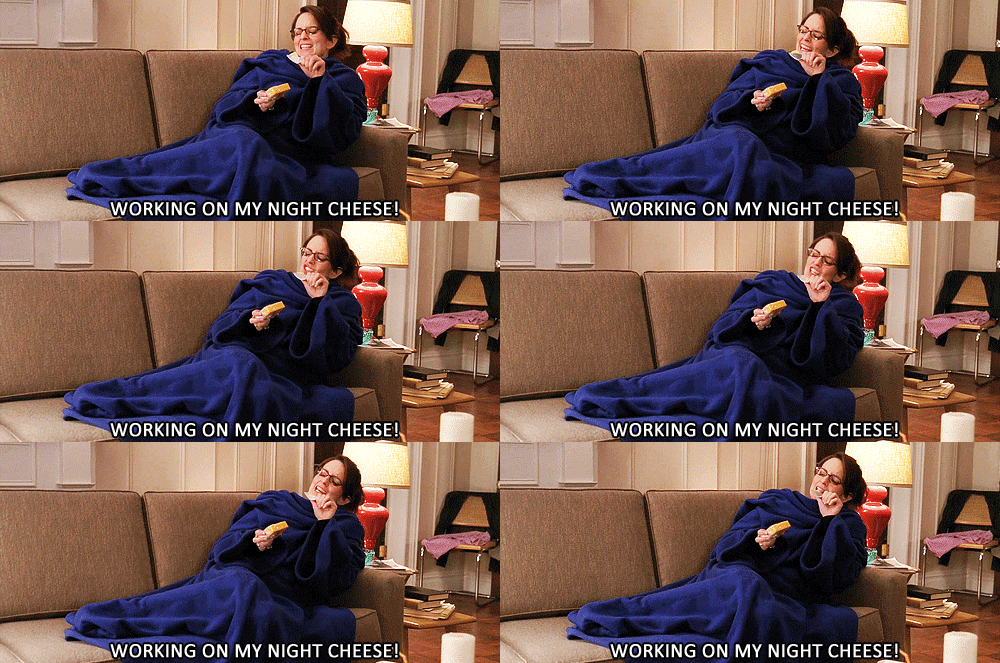
You forgot to eat or didn’t eat enough, slipping some food into your wind-down routine can help your body process the alcohol you drank. 
Simple water intake is one of the best and healthiest ways to improve your drinking experience and ensure you feel better in the morning. Here are three ways to use water strategically while drinking:


Learning to avoid hangovers takes practice. Remember to be forgiving if you don’t wake up feeling fantastic the next morning. Each day is a new opportunity to hit your goal.
Mindful Drinking Coach at Sunnyside
The longer you go without a drink, the better for your liver, skin, and overall health. This is...

Loneliness can be rough for anyone. Research shows that it can trigger anxiety, depression, and low self-esteem, all...

Sunnyside knows it’s important to have alternative activities that everyone can enjoy. Here are some non-alcoholic activities you...

Work-related stress can take a toll on emotional health, contributing to feelings of anxiety and depression. It’s not...