
18+ Tips and Tools to Crush Dry(ish) January and Build Better Habits in 2025
New Year’s is coming, and we all know what that brings: resolutions. On top of focusing on a...
I was recently chatting with our friends at Ritual Zero Proof about their values, mission, and take on challenges like Sober October and Dry January. It wasn’t a big surprise to find that we both share the same perspective that mindful drinking is all about getting more out of life, not taking away something we enjoy. The conversation sparked the idea for this post, a chance for us to share a bit of our own philosophies and encourage a balanced, mindful approach to cutting back on drinking. (Check out Ritual Zero Proof for a true alcohol-free liquor replacement. We love them!).
Because Sunnyside was created during the pandemic and we are truly a global, remote company, we haven’t had the chance to socialize in person after a long day at work. But based on the fun we have in our virtual happy hours, it’s fairly easy to assume that almost everyone here enjoys drinking alcohol to some degree. This is an important distinction about who we are at Sunnyside. We enjoy alcohol occasionally, but even more importantly, we enjoy balance, clear mornings, and exploring non-alcoholic alternatives for the evening wind-down.
As we’ve built Sunnyside we’ve heard many stories about how alcohol has had a negative impact on people’s lives in some way, usually due to a family member or close friend having a tough time. We believe that alcohol is something that absolutely should be taken seriously and managed proactively, just like we manage our mental health, our diet and exercise, and various other parts of our lives.
Nick and I (the Sunnyside co-founders) initially designed Sunnyside for ourselves, and quickly found that it resonated with everyone we talked to (Try it for yourself here with our 15-day free trial). It’s a system that helps our members understand how alcohol impacts them, and provides insights and tools to make gradual progress to reach their goals through proven psychology-backed techniques. Whether someone wants to cut back on their drinking or simply improve their habits, Sunnyside has something to offer for almost anyone who drinks.
In general, we don’t believe in an all-or-nothing approach regarding alcohol health. In fact, it can create a dichotomy in the conversation that makes it virtually impossible to talk about cutting back on drinking without any judgement. For us, Sober October and other months like Dry January provide opportunities to celebrate the mindful drinking movement. While many people will choose to take some time off of drinking in October, we’re here to encourage alternative approaches that will help people stick with their goals and the healthy habits they learn.
According to Healthline, Sober October is a trend that started in “2014 as a fundraising campaign for Macmillan Cancer Support, a U.K.-based charity that provides support to people living with cancer. This campaign’s primary goal is raising money, but the movement also emphasizes the importance of checking in with yourself about your relationship with alcohol. Over the last few years, Sober October has become a more general movement around the world.”
According to the Macmillan website, to officially participate you sign up for a 31-, 21-, or 14-day sobriety challenge, ask friends or family to donate, and ultimately help people who are living with cancer.
We absolutely support Sober October and all the benefits that can come with it (both from a fundraising and personal health perspective), but we do think Sober October might have a branding problem.
“Sober October” is inherently presented as an all-or-nothing approach simply from the name. The framing could potentially turn people off. But we think the biggest risk to 30-day sober challenges is that they can set you up for failure in two key ways: First, you simply may not be ready to take 30 days off, so you decide to call it quits a week in and you suddenly feel like a failure. Recovering from that feeling of “failing” can be difficult and emotionally draining. In reality, you likely did accomplish something important by taking a week off of drinking, but it can be hard to celebrate if you didn’t complete the entire month as planned.
The second problem is that you may actually over-correct when you start drinking again after the 30-day challenge. This is fairly common with any sort of crash diet. When we completely stop ourselves from having something (whether it be alcohol or food), we naturally crave that thing more and more.
“When you are dieting, you actually become more likely to notice food. Basically your brain becomes overly responsive to food, but you don’t just notice it—it actually begins to look more appetizing and tempting. It has an increased reward value. So the thing you’re trying to resist becomes harder to resist. So already, if you think about it, it’s not fair.” ~ Traci Mann, Psychology Professor at the University of Minnesota
The potential downsides of Sober October aren’t around the health benefits per se, but more about how a short 30-day challenge isn’t really enough time to examine alcohol in the context of your overall health. This is where mindful drinking comes in and plays a key piece in our approach and why we believe Sunnyside is making a meaningful difference in people’s lives.
Mindful drinking is more than an idea. It’s a movement. A community growing larger by the day. Put simply, it’s all about thinking while drinking. Mindful drinking is not about quitting alcohol but instead being aware of how much alcohol you’re drinking and its impact on you in the moment. It’s about recognizing the reasons for and the ramifications of drinking. It’s about improving your relationship with alcohol so you maximize enjoyment and minimize negative side effects like hangovers, regrets, and anxiety.
Summarized from our Mindful Drinking 101 guide, our medical advisor Dr. Hrishi Belani sat down with us to outline the benefits of practicing mindful drinking:
One of our absolute favorite things about our Sunnyside journey has been finding and tasting new non-alcoholic beverages that seem to be popping up every day. It’s an industry that’s exploding. In fact, it’s expected to hit $1.44T in size by 2025. What that means for the mindful drinking consumer is that there are more options than ever to stock your fridge with tasty, often mood-enhancing beverages.
It’s become normal for many people (including many of us at Sunnyside) to have beer, non-alcoholic beer, kava, or CBD drinks in our houses at the same time. What this does is provide an alternative to winding down at the end of the day while keeping alcohol to a minimum. And for those trying to tackle Sober October, it means there are other appealing drinks readily available to order.
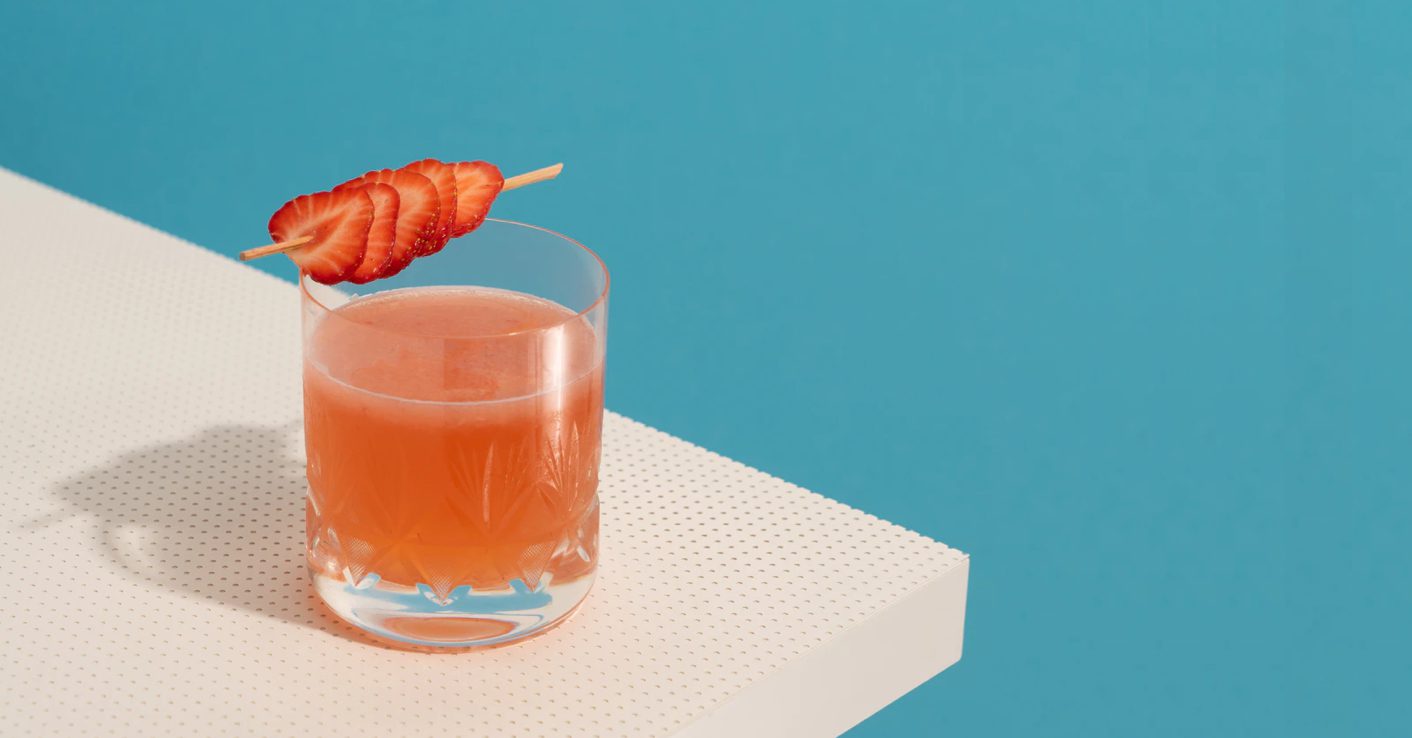
Our friends at Ritual Zero Proof create an amazing line of true liquor replacements. Their Tequila, Whiskey, Rum, and Gin alternatives are extremely well reviewed and are perfect non-alcoholic spirits to have on hand for any bar, but especially if your goal is to start drinking more mindfully.
They’ve given us access to 19 of their mocktail recipes that you can experiment with:

Sunnyside is successful for tens of thousands of members in large part because it creates personal accountability and puts them in the driver’s seat. On a weekly basis, Sunnyside members receive a recommended set of drink targets for the week that match their goals, whether cutting back or simply maintaining current levels. They always have the option of modifying their plan at any time.
What this does is create a commitment based on what was planned at the beginning of the week. In many ways, these weekly commitments are little challenges to be as mindful, proactive, and intentional as possible. We’re not telling our members to not drink, we’re simply asking them to consider their drinks if they do decide to partake.
While the challenge to go sober for all of October is certainly a good one, we also know that alternative challenges during the month can help create just as much awareness and health benefits, and these are the challenges our members are doing every month anyway.
Here are some quick ones that our team put together for you to consider if Sober October isn’t quite your cup of tea.
There’s no doubt that taking some time off of drinking can be really good for you, and we fully support the movements. I’ve been known to take extended breaks from drinking myself if I’m trying to focus on work or a new fitness routine. It can be empowering and help reset sleep and diet.
In the long-term, if you do drink, mindful drinking offers benefits that live on in perpetuity. Plus the habits that you start to build with mindful drinking can add value to other areas of your life. You still enjoy the occasional drink, but you’re prioritizing getting more out of your mornings, evenings and weekends. Mindful drinking is all about getting more out of your life, not taking something away that you enjoy.
Choose what feels right for you and make sure to arm yourself with some fun non-alcoholic drink alternatives. They never let us down!
We don’t get any incentive or payment from the partners in this post. We’re genuinely trying to connect our members and readers with the best brands in the mindful drinking space. ❤️
Ian has a family deeply hurt by alcohol, and is on his own personal journey to drink less and live his healthiest life. He’s took naltrexone daily for two years and saw incredible results. As Sunnyside Med’s first customer, he’s deeply entrenched in alcohol health and naltrexone.
New Year’s is coming, and we all know what that brings: resolutions. On top of focusing on a...
Dry January is a challenge that brings people together to notice their drinking habits for one month. It’s...
We'll look into the role alcohol awareness plays in our day-to-day life and explore the different ways you...
Dry(ish) January is a popular reset option. Whether you choose to go sober or reduce your alcohol intake,...