What if the relaxing effects of alcohol had less to do with alcohol… and more to do with your mind?
It turns out, your beliefs about alcohol can shape your experience just as much as the substance itself. Research shows that much of what we expect alcohol to do—like help us relax, unwind, feel confident, or loosen up in social situations—is often the result of conditioning, not chemistry.
Let’s explore small shifts you can make to hack this “alcohol effect”—that is, relax without alcohol—without going cold turkey.
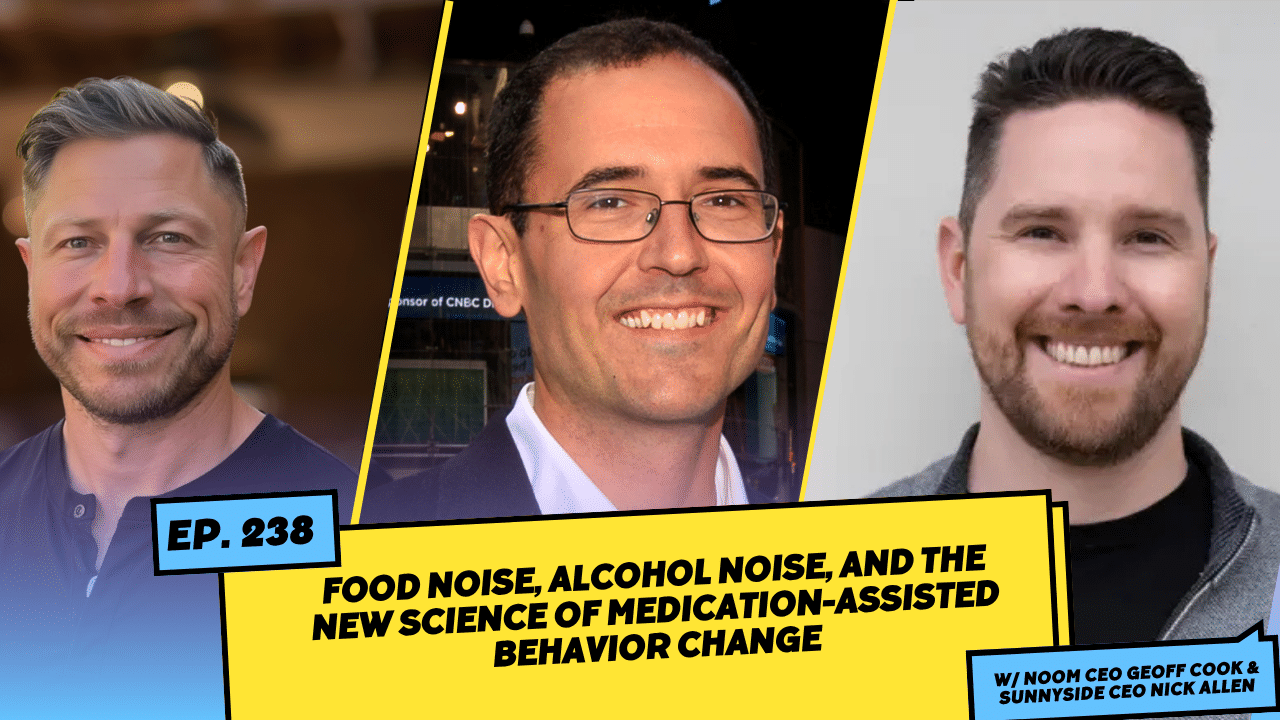
Watch The Related Podcast
This Is Your Brain on Expectations
In an experiment from the University of Washington, researchers divided participants into four groups to test alcohol’s effect on social behavior. The twist? Some people were told they were drinking alcohol, but they weren’t. Others were drinking, but thought they weren’t.
The results were eye-opening:
Those who expected alcohol—even when it was just a placebo—became more social and outgoing.
Those who didn’t expect alcohol—even when they were drinking—didn’t show those behavioral changes.
The takeaway is that our mindset and social context can activate the same behaviors we usually associate with alcohol. That means you may not need the drink to relax or “loosen up”—you might just need the belief that you can.
Placebo Trick (No Lab Required)
Here’s a real-world experiment you can try: next time you’re out, order a non-alcoholic drink and tell yourself it’s going to help you relax and enjoy yourself. It might sound simple, but you might be surprised how powerful your brain is when it comes to shaping your own comfort levels.
This isn’t about faking it. It’s about realizing how much control you have over your own state of mind.
The Power of Harm Reduction
Mindful drinking doesn’t have to be all-or-nothing. Harm reduction is a proven approach used in public health that’s all about minimizing risks, not demanding perfection.
Some simple harm reduction strategies you can try this week:
Eat before you drink. It slows alcohol absorption and reduces its impact.
Alternate alcoholic and non-alcoholic drinks. (Also called “zebra striping.”)
Switch to lower ABV drinks. A spritz or a session IPA can help you moderate more easily.
Slow your pace. More time between drinks means less impact overall.
These aren’t just hacks—they’re lifestyle shifts that add up over time. And they fit right into the Sunnyside method of mindful, goal-oriented moderation.
Most People Aren’t Drinking Like You Think They Are
Ever feel like everyone is drinking at a party? And drinking a lot?
That’s called normative misperception, and it’s a common psychological trap. We tend to notice and remember the loudest, most visible behaviors (like heavy drinking), even if they’re not the norm.
In reality, research shows that nearly half of the people at any given social event aren’t drinking at all, or they’re drinking very little.
If you’ve ever worried about standing out or looking stiff when you’re not drinking, be comforted by the fact that you’re probably not the only one skipping booze. You’re just noticing the outliers more.
Hack Your Environment, Change Your Habits
It might not seem immediately obvious, but your surroundings shape your behavior subtly and can impact how comfortable and relaxed you feel. Want to change how much you drink? Try adjusting your environment:
Use taller glasses. Studies show people drink more slowly with tall, narrow glasses than short, wide ones.
Add ice. It dilutes alcohol and slows consumption.
Skip the bubbles. Carbonation speeds up alcohol absorption. Swapping sparkling wine for a still option can help moderate the impact.
Keep a drink in your hand. Even if it’s alcohol-free, it helps ease social pressure and gives you something to do.
These tweaks may seem small, but they can change how your brain and habits respond!
You’re in the Driver’s Seat
Bottom line: alcohol doesn’t automatically make you more fun, confident, or relaxed, nor does it automatically “take the edge off.” But your beliefs, habits, and choices? Those have real power.
Mindful drinking isn’t about giving something up—it’s about gaining back control. And when you understand the science behind the alcohol effect, you can design your environment, expectations, and habits in a way that truly works for you.
Try This Today
Pick one small shift from this list—whether eating before you drink, choosing a taller glass, or rethinking what you expect from your first sip—and try it this week. Discovering other ways to relax without alcohol is a muscle, and exercising that muscle will help you see results.
You don’t need a total lifestyle overhaul to start making progress. Just one intentional step at a time. Take the first step with a 15-day free trial with Sunnyside.
Sunnyside Co-Founder, writing about alcohol health, naltrexone, and mindful drinking since 2020a
Ian has a family deeply hurt by alcohol, and is on his own personal journey to drink less and live his healthiest life. He’s took naltrexone daily for two years and saw incredible results. As Sunnyside Med’s first customer, he’s deeply entrenched in alcohol health and naltrexone.