

How to Drink Less Alcohol in 2026: 10 Practical Ways to Cut Back
Whatever your reason, drinking less doesn't have to mean giving up alcohol entirely. You can set your own...


You get to the end of the day, and it’s like your whole body is humming a little too loudly. Shoulders tight, brain still spinning, nothing quite settling. A drink feels like a clean off-switch — or at least the closest thing to one.
For a minute, it kind of works.
But underneath that initial exhale, something else is happening — something most people don’t notice. Alcohol isn’t really calming your system in the way it feels like it is. On a chemical level, it’s nudging your stress response in the opposite direction.
The key player here is cortisol — once you start paying attention to it, a lot of things about drinking start to make more sense.
Cortisol gets labeled as the “stress hormone,” but that’s only part of the story. Your body uses it constantly — to wake you up, to regulate energy, to help you respond when something actually needs your attention.
It’s not the enemy. In fact, you need it.
The problem is when it sticks around too long or runs higher than it should. That’s when things start to feel off in a harder-to-pinpoint way: sleep gets lighter or more broken, your mood edges toward anxious, your thinking feels foggier, and your body holds onto tension.
It’s less like a sharp alarm and more like a background noise that never quite turns off.
Here’s where it gets a little counterintuitive.
That first drink does activate calming pathways in your brain, which is why it might feel like relief. There’s a real, noticeable shift. But your body doesn’t just accept that shift and leave it there. It compensates.
Alcohol ends up activating the system that controls cortisol release. So even though you feel relaxed at first, your stress hormones are quietly moving in the other direction.
What that looks like in real life:
So the thing that feels like it’s taking the edge off is actually keeping the edge there.
It usually doesn’t feel like a “cycle” when you’re in it. It just feels like normal life.
A stressful day → a drink to take the edge off
Sleep that’s a little off → a morning that feels heavier than it should
That heavier feeling → more stress the next day
And then, again, something to take the edge off
Nothing dramatic. Just a pattern that repeats.
Just to be clear, this isn’t about willpower or something being wrong with you. It’s a feedback loop. Once your body gets into it, it’s genuinely hard to see from the inside.
One of the more encouraging things about alcohol and cortisol is that you don’t have to overhaul everything about your routine to see a shift.
Even modest reductions in drinking — not quitting, just pulling back — have been linked to better cortisol regulation within a couple of months. People tend to sleep more deeply, feel less wired in the morning, and describe their days as a little more even.
It’s not a dramatic before-and-after; it’s subtler than that. But it adds up.
Not rules, just angles to experiment with:
Keep the ritual, swap the substance
A drink at the end of the day is often more about the signal than the alcohol itself. It marks a transition. If you replace it with something intentional — even something small — you still get that “day is done” feeling.
Pay attention to when you actually want a drink
If you track it for a week or two, a pattern usually shows up. It’s often less about social situations and more about stress peaks. (Get started with tracking with a 15-day free trial of Sunnyside.)
Get ahead of the stress instead of reacting to it
Even a short walk, a few minutes outside, or a pause in the late afternoon can take the edge off before it builds. It doesn’t have to be a full routine to make a difference.
Give your body a buffer before bed
If you are drinking, stopping a few hours before sleep can noticeably change how the night feels — and how the morning lands.
Let your own data guide you
Instead of setting strict rules, just notice cause and effect. When you can clearly see how a certain night impacts the next day, the decision-making starts to shift on its own.
For a lot of people, drinking to manage stress feels logical because, in the moment, it does provide relief. What it doesn’t do is tell the whole story. Once you understand the nuances of what’s happening, your choices start to come from a different place. And often, they get a little easier, too.
Ian has a family deeply hurt by alcohol, and is on his own personal journey to drink less and live his healthiest life. He’s took naltrexone daily for two years and saw incredible results. As Sunnyside Med’s first customer, he’s deeply entrenched in alcohol health and naltrexone.
Whatever your reason, drinking less doesn't have to mean giving up alcohol entirely. You can set your own...
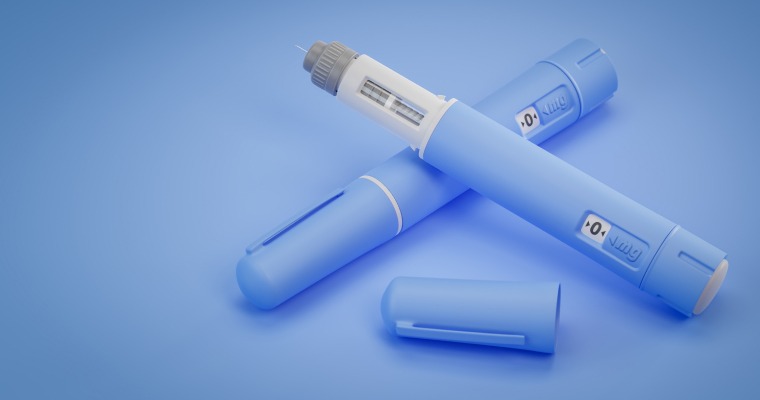
Early research suggests semaglutide may reduce alcohol cravings and some measures of drinking in people with alcohol use...

Alcohol use disorder (AUD) is often described as a chronic condition. That can sound pretty final, especially if...

AA has strong evidence behind it for helping people with alcohol use disorder achieve abstinence, but the studies...