
Why Naltrexone Is Not Addictive
Naltrexone is not addictive or habit-forming. It blocks opioid receptors rather than activating them, so it doesn't produce...
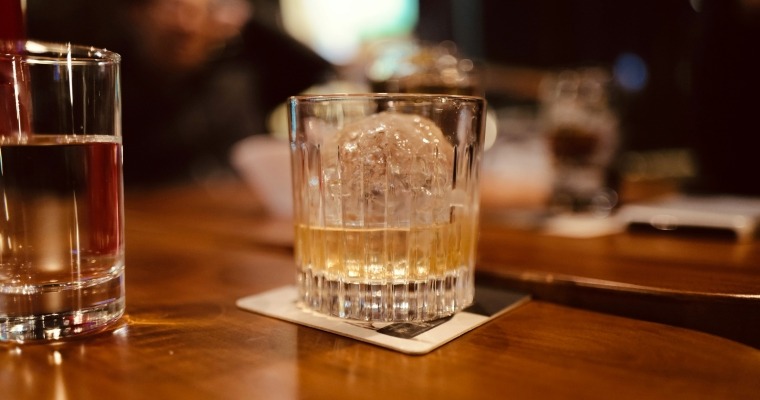
Unlike some other medications, naltrexone does not make you sick when you drink. Instead, it reduces alcohol’s reward signal in the brain, which can make it easier to stop at one or two drinks rather than continuing beyond your intention. Most care plans support drinking while on naltrexone, but everyone should check with their doctor and listen to how they’re feeling.
You finish your first glass of wine. You set the empty glass down. Usually, you’re already feeling a pull toward the second glass, but it doesn’t come. You just… don’t really care.
That’s what drinking on naltrexone feels like for a lot of people. And if you’ve struggled with not being able to stop drinking once you start (even if, deep down, you want to), this shift to relative indifference can feel really surprising.
Here’s the real story about drinking on naltrexone: if you can do it, what it’s likely to feel like, and how Sunnyside Med can help you navigate it all.
Yes. For most people drinking while taking naltrexone is safe. In fact, having naltrexone in your system when you drink is when naltrexone does some of its most important work because it’s actively making alcohol less rewarding and thus breaking down the habit loop that’s so engrained in your brain.
Decades of research support the fact that most people do not have to be sober before starting Naltrexone. When you sign up for Naltrexone through your primary care doctor or your Telehealth provider, please be honest about how much you’re currently drinking and any other medications and health conditions that you have.
Based on those things, especially your quantity of alcohol, your doctor may recommend that you be sober for a period before starting the Naltrexone. This is typically due to the risk of physical withdrawals, in which case you will likely be put on a very specific program to safely get sober before starting the Naltrexone. That is not a common experience, but it does happen.
At Sunnyside Med, if you were at risk of physical withdrawals because of the quantity that you were drinking, you may not make it through our medical review process due to safety concerns. At the end of the day, Naltrexone is generally very safe to drink on, even when you’re first starting, except for a small amount of people who will be asked by their doctor to go through a period of sobriety due to safety concerns.
Although it’s generally safe to drink while taking Naltrexone, and like we said, it’s often doing some of its best work, you want to practice mindful drinking as part of your Naltrexone program. Mindful drinking is the combination of habits that help you slow down your drinking and drink intentionally. Let’s get into a few reasons why.
A very common question and misconception is whether or not you can get drunk while on Naltrexone. Short answer is yes, you can absolutely get drunk on naltrexone. Naltrexone does not stop you from getting inebriated, but it stops the alcohol from creating such positive, rewarding effects in your body and brain.
Some people report that they know they’re drunk, but they’re not enjoying it. Ultimately, this is exactly what we want with Naltrexone, because this helps us rewire the reward system around alcohol and change our habit loops in relationship with alcohol.
Because you can still get drunk on naltrexone, please take all the typical precautions, including no drinking and driving.
What you will feel like when you drink on Naltrexone is difficult to explain in a way that will fit for everybody. First off, some people respond to Naltrexone fast and strong, literally on day one, but most people require time and patience, and the effects of Naltrexone are somewhat gradual. What we can say is that when you have Naltrexone in your system, there are a few things you can look out for to see that you may feel:
Most people who search this aren’t trying to understand receptor biology. They’re just trying to figure out what a normal Friday night is going to feel like!
Can you still have a drink? Does alcohol suddenly feel weird? Will I feel sick halfway through a glass of wine? Or does the medication just make it easier to stop?
A lot of alcohol treatment messaging still assumes everyone wants lifelong sobriety immediately. But many people want to take a more moderate, mindful approach. They’re functioning; they have jobs, relationships, and routines. They just know drinking has become more automatic than they’d like.
That’s exactly where naltrexone and Sunnyside Med come in. Naltrexone changes part of the brain’s reward response to alcohol, and yes, most people can still drink on it. The difference is that drinking often stops feeling so magnetic, which, alongside Sunnyside Med’s coaching and support, leaves room for new habits to develop.
Alcohol activates reward pathways in the brain tied to reinforcement and repetition. That reinforcement is part of why it’s easy for one drink to turn into three, even when you genuinely intended otherwise.
Naltrexone interferes with that loop. The medication blocks opioid receptors involved in alcohol-related reward signaling. In plain English, the brain doesn’t get the same payoff from drinking that it normally expects.
Of course, the first drink may feel mostly normal. People don’t suddenly forget how alcohol tastes. They don’t instantly lose all interest in drinking forever.
The more noticeable shift often happens after the first drink is gone. That automatic pull toward another drink — the one many people have gotten quite used to — can feel weaker, or even nonexistent. Some people describe feeling a “pause” where there previously wasn’t one. Others realize they’re sipping more slowly or that they’re simply less interested in continuing.
Not everyone experiences it the same way, and the timeline can vary. But the general pattern comes up constantly.
A 2022 daily diary study published in Alcoholism: Clinical and Experimental Research found that, when naltrexone was present at higher within-person levels, participants reported a blunted subjective response to alcohol in real-world drinking contexts, including reduced positive effects and craving.
Medication helps, but habits don’t disappear just because a prescription enters the picture.
Stress still exists. Social routines still exist. If you’ve already established the habit, you’ll still probably pour wine automatically after work. The medication may soften the reinforcement cycle, but people still need practical support while changing the patterns wrapped around drinking.
That’s the entire philosophy behind Sunnyside Med. Members receive compounded naltrexone alongside a behavior change platform designed specifically for moderation support. There’s tracking, coaching, and community support — because long-term success comes from rewiring habits and choices.
Research supports this approach. The NIH-funded COMBINE study — one of the largest alcohol treatment trials ever conducted — found that outcomes improved significantly when medication was paired with behavioral support. That’s a big part of why Sunnyside Med isn’t structured as a medication-only service.
As with many medications, the first couple of weeks feel different for everyone. Some people notice more ambivalence towards alcohol quickly. Others need longer before anything feels meaningfully different. A common mistake is expecting some dramatic “off switch” immediately and assuming the medication failed if that doesn’t happen. Patience is key!
Usually, the initial changes are smaller. Maybe someone leaves half a beer unfinished for the first time in years. Maybe they stop at two drinks without spending the rest of the evening arguing with themselves internally. Those are signs the medication is doing its work.
Nausea is the most common naltrexone side effect at the beginning, which is why Sunnyside Med starts members on a lower introductory dose before increasing gradually. (Even so, only about 10-30% of naltrexone users will experience nausea at all.) Other possible side effects can include headache, fatigue, dizziness, or vivid dreams, though many people experience little to none.
People mix naltrexone and Antabuse up constantly, but they work very differently. Let’s clear up the confusion!
For many gray area drinkers, that distinction is the reason naltrexone feels more approachable in the first place.
If you’re ready to make lasting changes to your relationship with alcohol, Sunnyside Med offers a short online assessment, which will be reviewed by a licensed clinician. Eligible members can receive compounded naltrexone delivered directly to their door along with access to the Sunnyside moderation platform, coaching support, and a private member community.
If you’re reading this article, you’re probably either new to naltrexone or considering it. Either way, you’re wondering how naltrexone will impact your life — and good on you for doing that research.
Naltrexone works best when it’s paired with behavioral support. That’s not just our opinion. The COMBINE study, one of the largest naltrexone trials ever conducted, found that medication combined with a behavioral program outperformed either approach alone. That’s the model Sunnyside Med is built on: compounded naltrexone, a behavior change app, human coaching, and a care team available seven days a week.
Among active Sunnyside Med members with 50% or more app engagement, 78% achieved a meaningful reduction in drinking over 12 weeks. (Individual results vary. This is observational data from our member population, not a randomized trial.)
Sunnyside is the #1 mindful drinking app. Since 2020, we’ve helped over 600,000 people cut out 22 million drinks from their baseline habits. 96.7% of our members report success in drinking less, and a third-party study demonstrated a 33% reduction in weekly drinking after 12 weeks.
When you sign up, you’ll take a quick 3-minute personalization quiz and hop into the app. You’ll get weekly plans, daily tracking and journaling tools, nudges, coaching, and the option to chat with a real human coach at any time.
Naltrexone reduces the cravings. Sunnyside helps you understand the triggers and patterns behind them. Together, they give you a system that actually sticks. And if you eventually stop taking naltrexone, Sunnyside is a tool you can keep using to maintain your progress.
This article is not a substitute for medical advice. Naltrexone is a prescription medication. Individual results vary, and all treatment decisions are made by a licensed clinician.
Ian has a family deeply hurt by alcohol, and is on his own personal journey to drink less and live his healthiest life. He’s took naltrexone daily for two years and saw incredible results. As Sunnyside Med’s first customer, he’s deeply entrenched in alcohol health and naltrexone.
Naltrexone is not addictive or habit-forming. It blocks opioid receptors rather than activating them, so it doesn't produce...

Getting a prescription for naltrexone doesn't have to mean a long sit in a doctor's waiting room. With...

Naltrexone eligibility is determined through an individual clinical evaluation, not a single pass-or-fail test. You don't need to...
If you’re interested in trying naltrexone to help you drink less, the natural next question is where to...