

How to Drink Less Alcohol in 2026: 10 Practical Ways to Cut Back
Whatever your reason, drinking less doesn't have to mean giving up alcohol entirely. You can set your own...

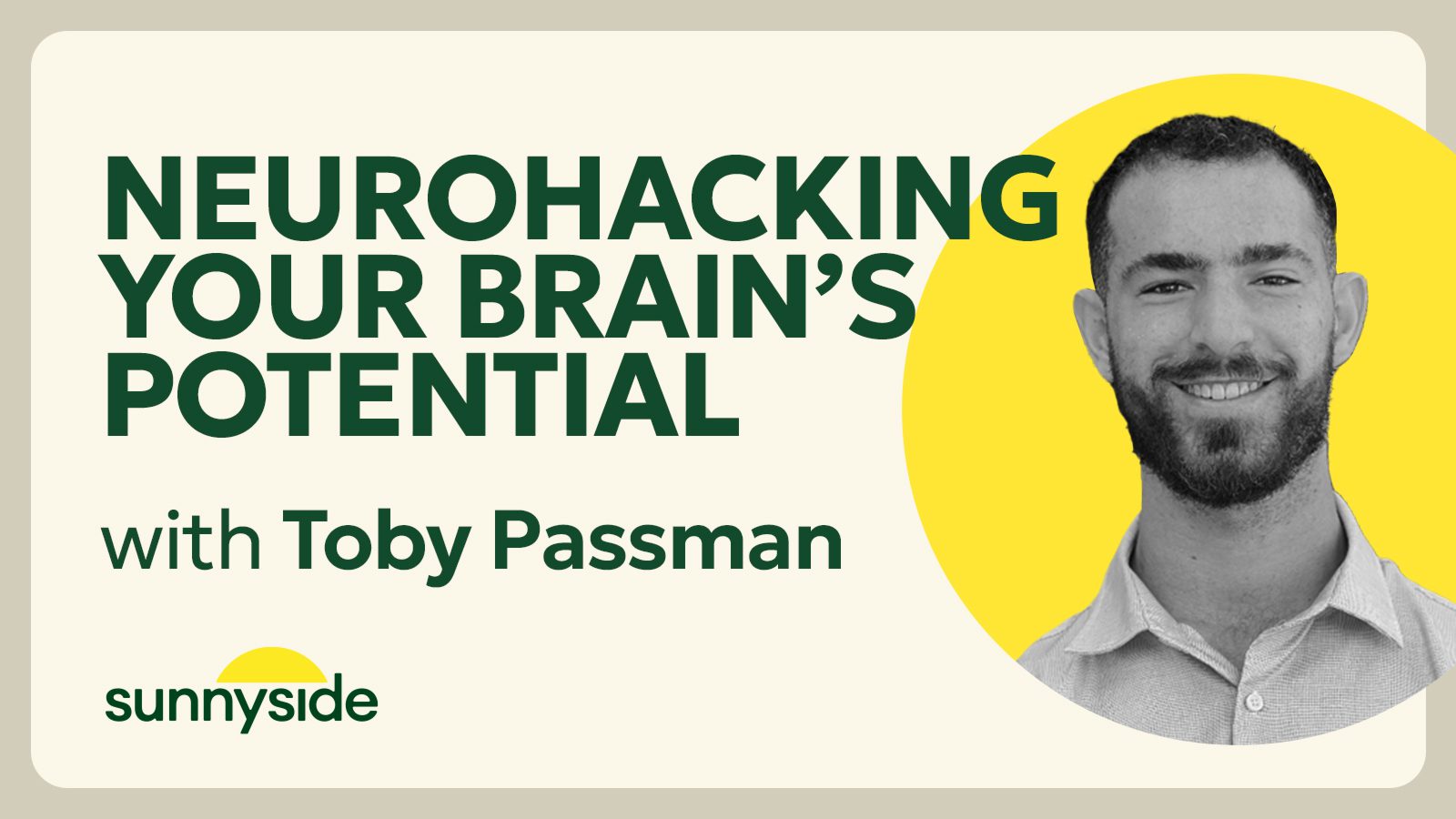
In this conversation, Toby Passman, a board-certified neurophysiology trainer, discusses the concepts of neurohacking and biohacking.
He shares his personal journey into the field and explains how neurofeedback and neurostimulation can be used to improve cognitive functioning and mental health. Toby also highlights the importance of neuroplasticity in habit change and discusses the effects of alcohol on the brain. He provides insights into the benefits of red wine and emphasizes the need for mindfulness in our everyday habits.
In this conversation, Toby and Mike discuss addiction, the brain, and the transformative power of psychedelics. They explore how addiction can hijack the brain’s reward system and the role of the prefrontal cortex in curbing addictive behaviors. Toby shares his personal experience with psychedelics and how it helped him overcome social anxiety. They also discuss the future of brain health and the importance of making brain-enhancing tools accessible to everyone.
View all streaming options here.
Ian has a family deeply hurt by alcohol, and is on his own personal journey to drink less and live his healthiest life. He’s took naltrexone daily for two years and saw incredible results. As Sunnyside Med’s first customer, he’s deeply entrenched in alcohol health and naltrexone.
Whatever your reason, drinking less doesn't have to mean giving up alcohol entirely. You can set your own...
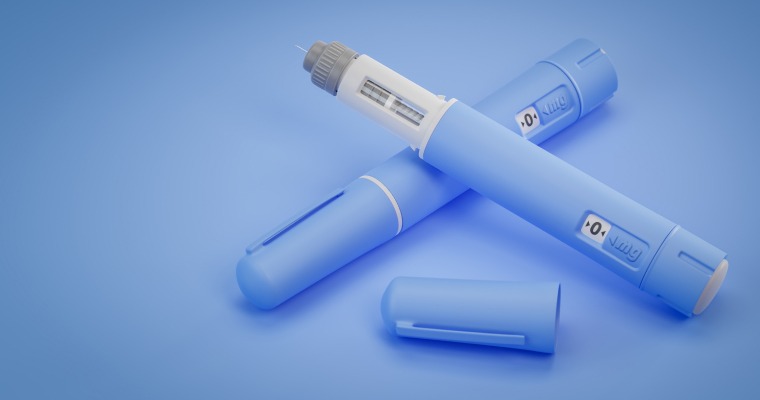
Early research suggests semaglutide may reduce alcohol cravings and some measures of drinking in people with alcohol use...

Alcohol use disorder (AUD) is often described as a chronic condition. That can sound pretty final, especially if...

AA has strong evidence behind it for helping people with alcohol use disorder achieve abstinence, but the studies...